Telegram ad placements are growing more expensive every year: the auction is overheated, and subscriber costs in niches like crypto or business can reach up to 100–300 rubles. As an alternative to traditional post buying, channel admins and media buyers leverage neurocommenting — funneling audiences through automated comments placed under posts in topical channels.
Unlike basic spam broadcasts, a neural network handles the execution here: software monitors new posts from competitors and generates coherent, topic-relevant responses. Readers notice the commenter's profile, click through to the author's page, and — via a pre-landing link in the bio — arrive at the target Telegram channel, allowing admins to acquire subscribers for as low as 10–30 rubles.
In this article, we break down how neurocommenting functions in 2026: how to prepare consumables, protect your main channel from bans, draft system prompts, and calculate basic campaign economics.
Method Economics: Neurocommenting vs. Direct Ad Placements
Buying sponsored posts in other channels operates on a CPM model (cost per thousand views). In niches like cryptocurrency or business, a single sponsored post can cost anywhere from $50 to several hundred dollars.
Furthermore, sponsored placements offer no guarantees: views can be inflated, audiences unengaged, and the post itself may yield zero subscribers. Sourcing traffic this way on a regular basis is viable only for established channels with substantial ad budgets.
With neurocommenting, you don't pay for impressions; you only purchase operational supplies: accounts, proxies, software subscriptions, and Telegram Premium. When set up correctly, your cost per target subscriber lands around $0.15–$0.35.
Another major advantage lies in audience quality. Traffic sourced from comments is valued higher than redirects from TikTok, Shorts, or YouTube. Users are actively reading discussions on a topic of interest, notice the commenter profile, and intentionally click through. This results in higher engagement, better post read-through rates, and longer subscriber retention.
This approach works exceptionally well for grey-hat and high-ticket niches: crypto, betting, dating, 18+ content, and various digital services. The only area requiring extra caution is personal expert branding. Leaving automated AI comments in direct competitor channels under the name of a specific lawyer or psychologist can quickly trigger backlashes and damage reputations.
Security and the Three-Tier Funnel Architecture
The single biggest rookie mistake is placing a direct link to the main channel in the bot profile bio. Telegram's algorithms easily flag these accounts, and when a purchased bot profile gets banned, the platform automatically blocks every channel listed in its bio.
To protect your main channel from ban waves, you need to set up a proper three-tier funnel structure.
The purchased account posts comments in third-party channels. A user sees the comment, opens the profile, and clicks the link in the bio. This link must lead not to your primary asset, but to a dedicated pre-landing channel. This buffer channel contains a teaser post or story continuation with a link pointing to the main channel. In the event of a ban, Telegram's anti-fraud system only nukes the bot account and the buffer channel.
Pay special attention to the security of the Telegram account holding administrative rights over the main channel. Use an aged profile (at least 1 year old) with a clean record and zero spam blocks. Avoid taking any unnecessary automated actions with this admin account: if user reports roll in, the platform might ban the account along with the channel itself.
Additionally, run your commenting software strictly from a dedicated virtual server (VDS) using clean proxies. If you post automated comments from the same IP address and device where the owner profile is logged in, Telegram will link the accounts and ban your primary channel.
Consumable Preparation and Software Setup
Launching an operation requires purchased Telegram accounts, private proxies, and specialized software. It is best to source accounts in TData or Session+JSON formats aged for at least two weeks.
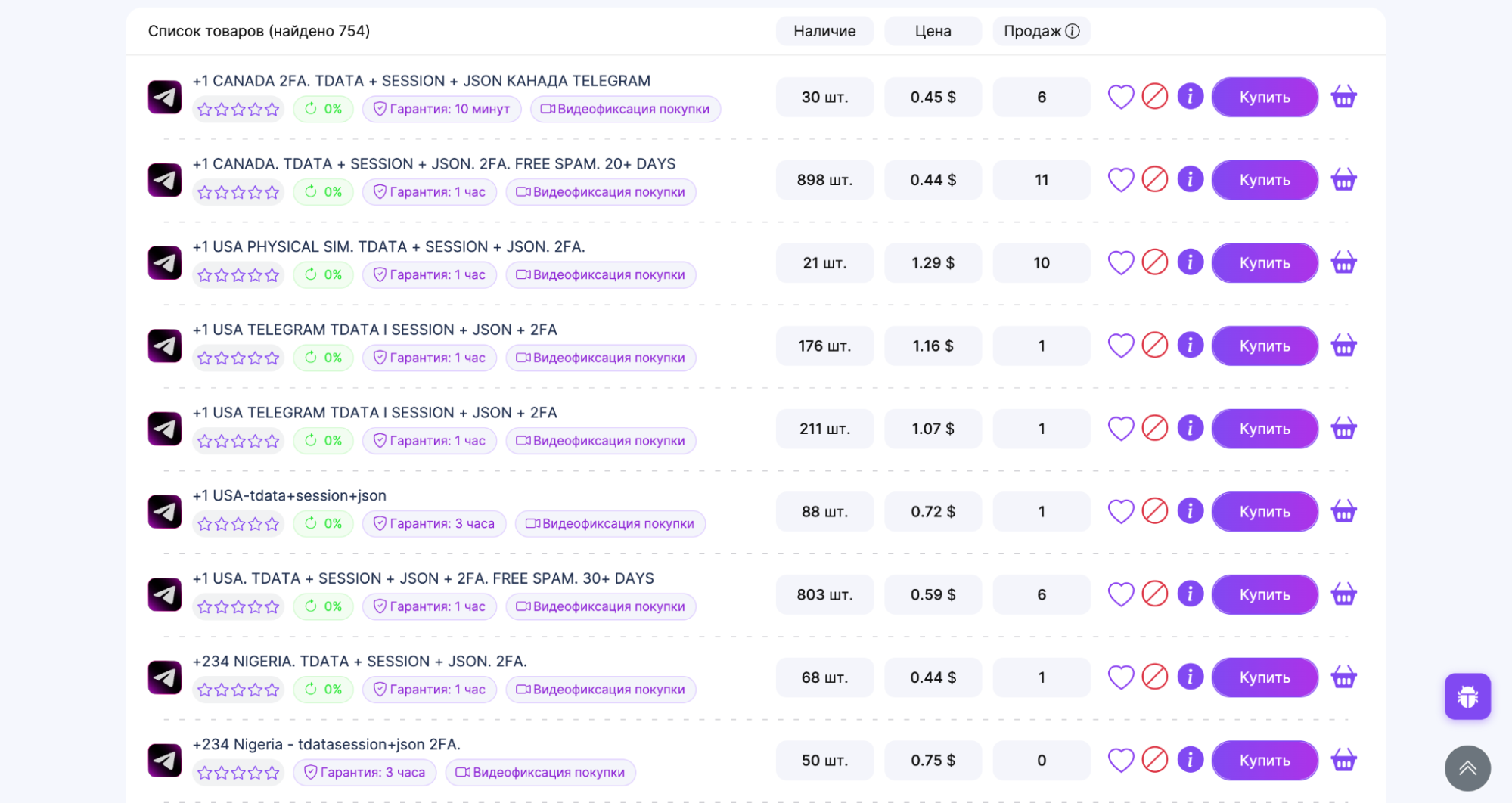
Freshly registered profiles get banned after sending just two or three comments.
If budget allows, consider purchasing Telegram Premium for a few accounts: this raises message limits, enables longer comments, and increases trust scores with the messenger's anti-spam algorithms.
Assign a dedicated proxy to every single profile. Private SOCKS5 IPv4 proxies or rotating mobile proxies yield the best results. Do not link more than 3–5 accounts to a single static IP; otherwise, if one profile gets flagged, the anti-fraud system will ban all other accounts tied to that IP address.
Neurocommenting software is typically purchased on specialized forums, through services like TG Prime, or custom-coded by developers.
The software is then connected to a neural network API and configured with system prompts. In the prompt instructions, define strict rules: keep responses concise, relevant, strictly on-topic, and completely free of overt advertising. Explicitly instruct the AI to avoid emojis, ALL-CAPS, and direct call-to-action phrases like "subscribe to my channel".
To maximize account lifespan, set publication intervals between 5 and 15 minutes, limiting activity to 15–20 comments per day per account profile.
Channel Scraping and Filtering Criteria
Scraping target channel databases is most effectively done via services like TGStat or Telemetr using category filters. Avoid sourcing channels exclusively from your narrow niche. For example, if you are promoting crypto offers, don't limit yourself strictly to crypto channels — related verticals often yield excellent conversion rates.
For instance, esoterics campaigns perform well in religion, psychology, or cooking communities. These niches feature less competition from spammers, making audiences much easier to engage with tailored creatives.
Filter and evaluate target channels using the following criteria:
-
Audience engagement. Check the view-to-comment ratio. If a post has 10,000 views, it should feature at least 20 to 30 authentic comments from real users.
-
Moderation bots with filters. Admins frequently deploy moderation bots that instantly wipe messages containing blacklisted words or links. To test for restrictions, manually leave a test comment and check if it remains visible. If it is instantly deleted, drop that channel from your database. Deleted messages sharply reduce an account's trust score; failing to filter out these channels will cause your profiles to get banned much faster.
-
Consistent posting schedule. The target channel must publish daily; otherwise, it won't drive viable traffic volumes.
A comment delivers maximum impact when published within the first 5 to 10 minutes of a new post going live. To achieve this, your software must support real-time post tracking.
When buying turnkey software, verify this feature with the seller; when commissioning custom code, ensure auto-tracking is specified in your technical requirements.
Profile Styling and Buffer Channel Optimization
Avoid stock images from web searches or images copied from other channels: Telegram's algorithms easily detect duplicate media and flag matching accounts. Generate unique profile pictures using neural networks (Midjourney, Nanobanana) or source clean images from Pinterest and uniqueify them before uploading.
Casual selfies and authentic mobile photos perform best — they resemble real user profiles and build higher initial trust.
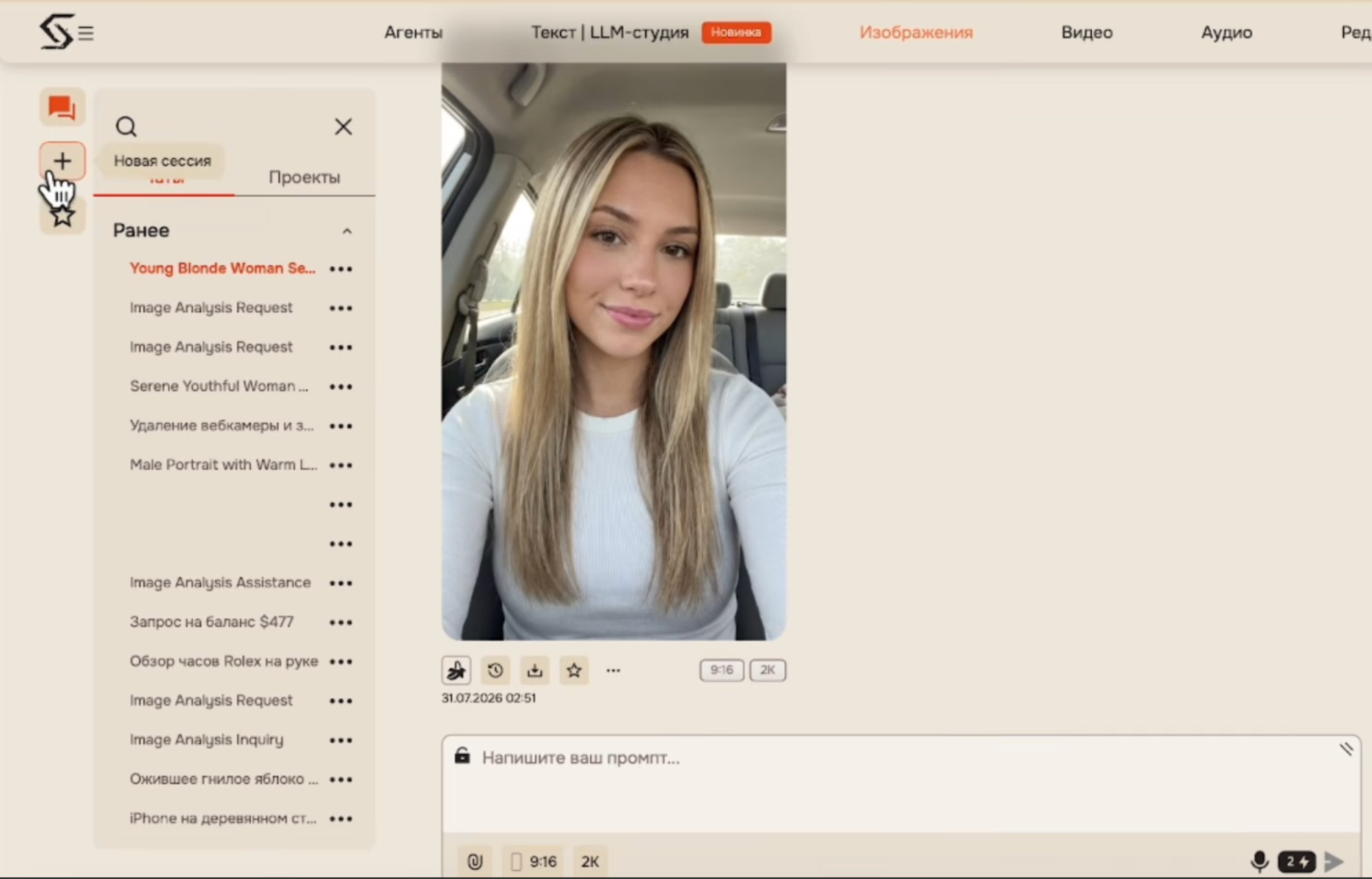
Keep profile names simple and natural. In the bio section, craft a concise hook with a link pointing to your buffer channel.
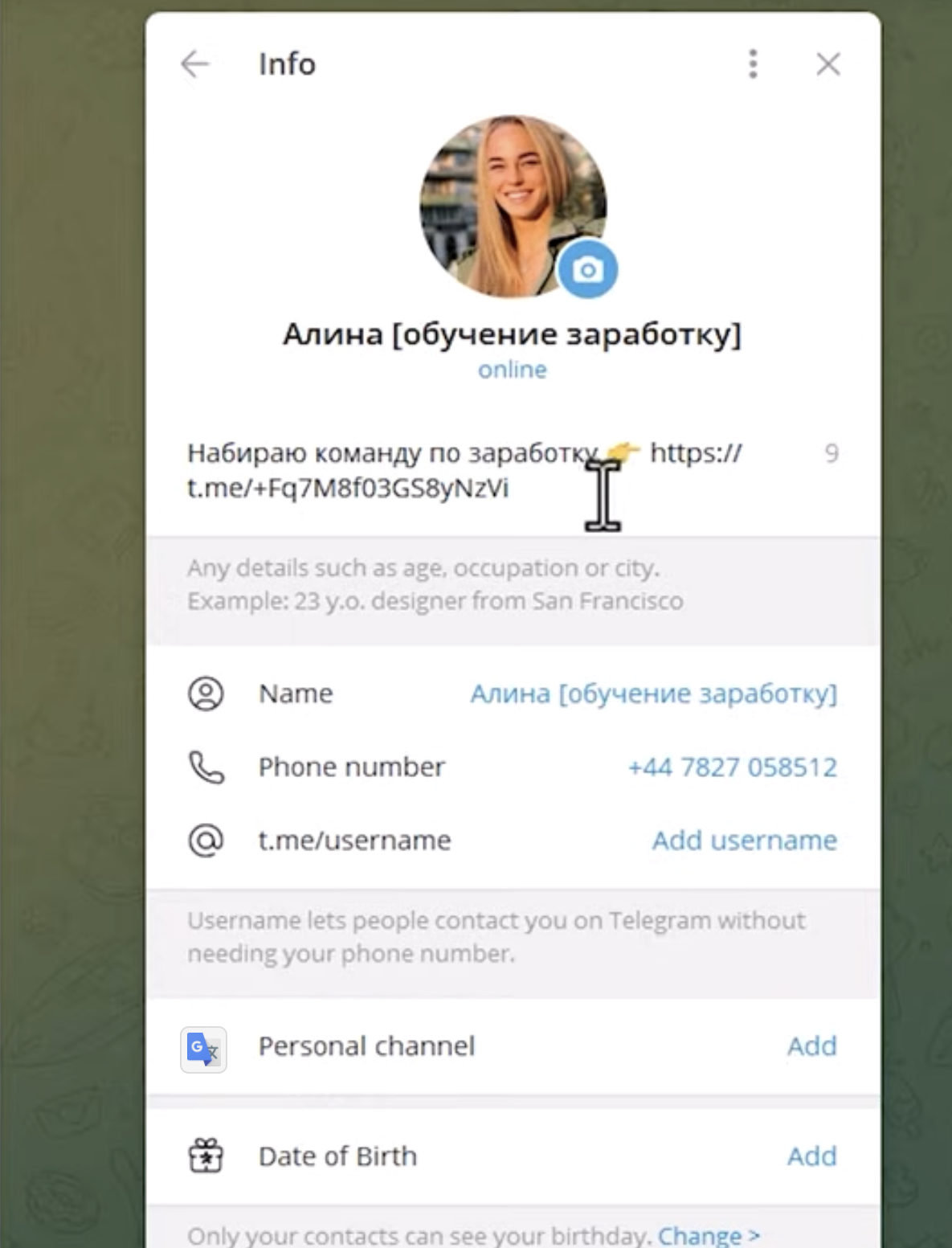
To accurately track incoming traffic sources, generate a unique invite link for each bot profile. This enables granular analytics on click-throughs, helping you identify which comments and angles deliver the highest subscriber conversion rates.
Software Configuration, Prompt Engineering, and Hypothesis Testing
Do not configure instant message dispatch immediately after a post is published. If a comment appears within the very first second, channel admins will immediately spot automated scripting and ban the account. Set a natural delay of 200–300 seconds.
Configure break intervals within your software settings: after sending 5 comments from an account, pause its operation for 15 minutes. Maintain a minimum pause of 10 minutes between messages within the same channel. To preserve account longevity and avoid flagging Telegram's automated anti-spam systems, cap daily activity at 20 comments per profile.
Tailor the tone of voice in your AI prompt to match your target channels. System instructions can specify a neutral, authoritative, playful, or argumentative tone. For white-hat blogs and tools, inquisitive or neutral, value-adding comments perform best. For grey-hat verticals, provocative or argumentative angles help your comment stand out among other replies. Always explicitly forbid ALL-CAPS, emojis, and exclamation marks inside the prompt logic.
To demonstrate how to structure a full funnel, here is an example testing four hypotheses when driving traffic to adult or dating offers. This framework helps maximize profile visit intent across target users:
-
Neutral comment with a female avatar in sports channels. The account features a picture of an attractive female, while the AI generates a neutral, relevant comment about the sports post. Male users notice the female avatar and organically visit the profile.
-
Critiquing post content from a female avatar in sports niches. The bot debates the post author or highlights mistakes in the article. A female showing deep domain knowledge sparks user curiosity, driving profile visits.
-
Critiquing and debating authors in crypto channels. When a female profile voices skepticism regarding technical points in a crypto post, it breaks monotony and triggers profile clicks.
-
Neutral comment with a female avatar in crypto channels. In male-dominated niches, the sheer appearance of an authentic female profile attracts interest and drives profile visits without aggressive commenting tactics.
To run an effective test, allocate 10 accounts per hypothesis and measure conversion rates at each stage of the funnel. If users visit the bot profile poorly, adjust the comment style or avatar. If profile visits are high but users fail to subscribe to the main channel, optimize the content on your buffer channel.
Conclusion
Initial setup requires dedicated testing time, and you should prepare for accounts to get banned in batches until you dial in optimal parameters, fine-tuned prompts, and clean channel databases.
Yet even with ongoing consumable replacements, neurocommenting remains significantly cheaper than traditional ad buying. In terms of lead quality and engagement, this audience matches direct ad buys: users are already active on Telegram, reading relevant discussions, and making conscious choices to join your channel.