While the developers of ChatGPT, Claude, Perplexity, and Microsoft Copilot publicly talk about their own crawlers, web indexes, and independent next-generation AI search, an inconvenient truth has surfaced. It turns out that leading language models are still simply scraping Google search results — and doing it so blindly that they are showing users the search engine's internal service links.
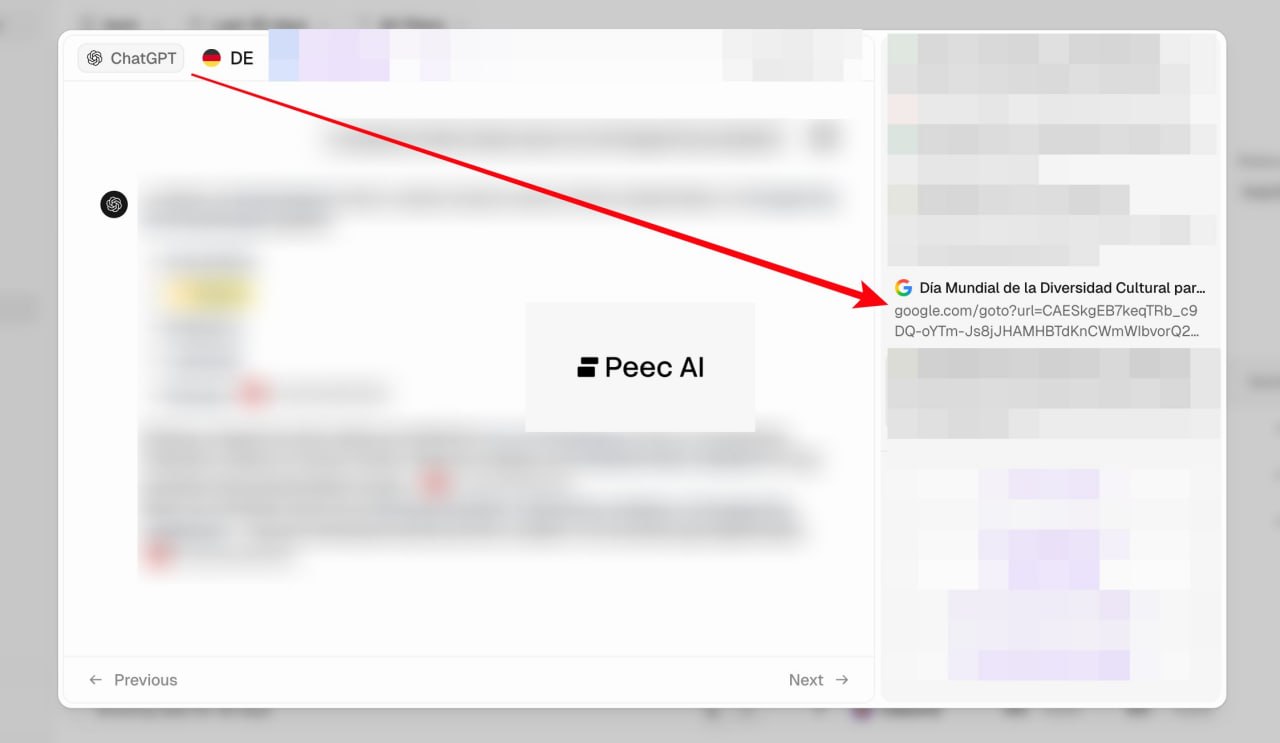
Recently, Turkish SEO specialist and AI search researcher Metehan Yesilyurt noticed an interesting anomaly: links in the [google.com/goto/](https://google.com/goto/) format began appearing en masse in responses from several leading models at once, including ChatGPT, Claude, Perplexity, and Copilot. According to the expert, similar link tails had already started appearing in Claude back in July.
How the AI Models Gave Themselves Away
Recently, Google began testing and rolling out a new /goto/ server-side redirect format to combat scraping and hide direct URLs in its search results. AI agents, when searching for information in real time, simply scraped Google's search results page.
They did not bother to resolve the redirect and extract the normal URL, but simply returned Google's intermediary link as the original source. The story of independent web indexing fell apart over a basic scraper.
For webmasters, affiliate marketers, and website owners, this creates two problems at once:
-
Dead analytics and broken tracking. Instead of a direct visit or a referral trail from the search bot (chatgpt.com, perplexity.ai, etc.), the click goes through Google's technical intermediary. No proper UTM tags, no clean end-to-end analytics, and no understanding of where the traffic actually came from — in analytics systems, all of this turns into a mess or distorted referrals.
-
Risk of links leading nowhere. The main question — is how long these temporary links remain valid. Google's internal redirects are created for a specific user's session and for bot protection. If they start expiring quickly, AI knowledge bases and conversations will fill up with hundreds of thousands of broken links returning 404 errors and sending users nowhere.
While tech giants talk about the «death of traditional search engines», they are still using results from good old Google. The problem is that because of these broken links, website owners are now losing analytics and clean traffic attribution.