Google is Testing a New CAPTCHA: Now You Need to Wave at the Camera
Google has launched testing of a new version of reCAPTCHA that requires camera access. Instead of the usual routine of picking traffic lights or dragging puzzle pieces, the user needs to perform a specific hand movement in front of a webcam. For example, waving their hand or giving a thumbs-up.
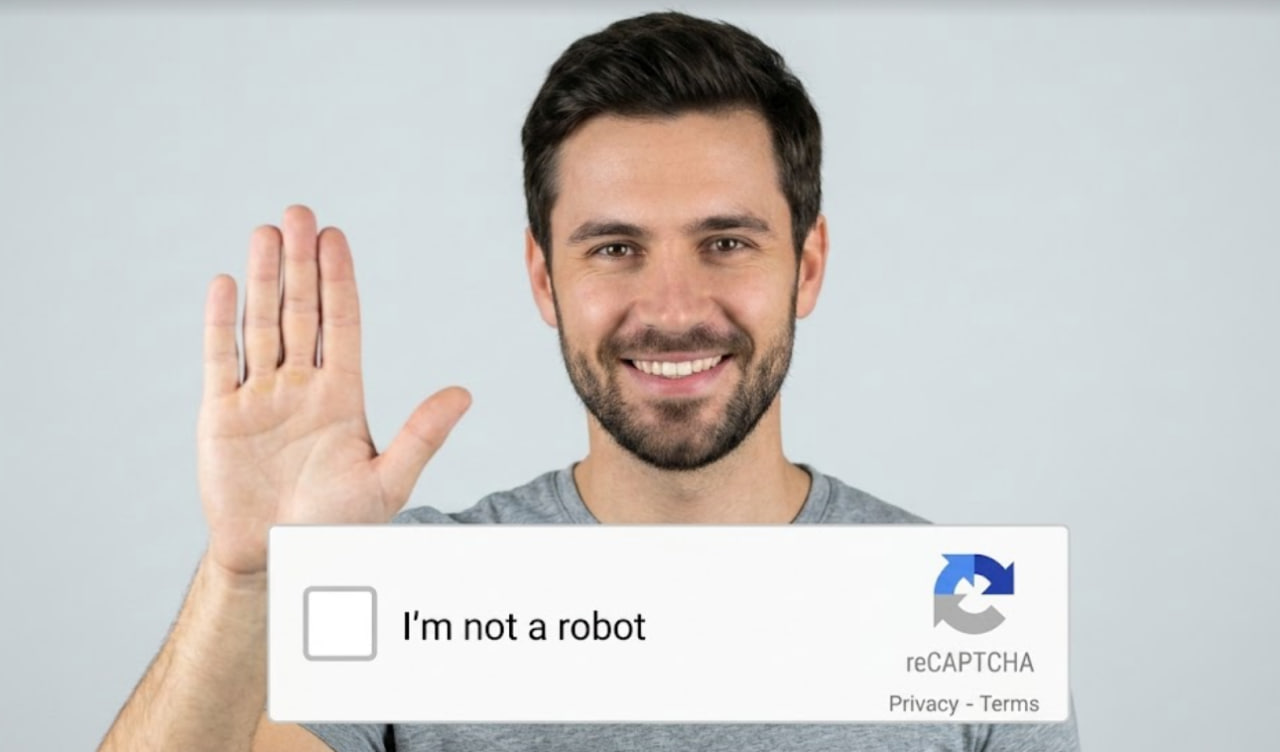
The system tracks the movement across 21 hand landmark points and checks whether it matches the specified template. Google claims that the video recording is not stored and is deleted immediately after passing the check. For those who cannot or do not want to use gestures, an alternative CAPTCHA option will be available.
The innovation has already sparked a wave of criticism. Users point out that any mechanism requiring camera access creates privacy risks.
Who Will Face Difficulties
The update will affect everyone — from regular users to developers:
-
Media buyers and automation specialists. Those who work with antidetect browsers, proxies, and bots will face a new problem. A hand gesture CAPTCHA cannot be solved automatically — a live person is required in front of the camera. This will complicate mass account registration, managing profile networks, and task automation.
-
People with disabilities. Although Google promises alternative options for those who cannot use gestures, studies show that existing reCAPTCHA systems already discriminate against users with disabilities. The new camera-based CAPTCHA could become yet another barrier.
-
Users without a webcam. Many gaming and professional laptops do not have a built-in webcam. Such users will have to look for workarounds or give up accessing certain websites.
-
Developers and webmasters. Those who integrate reCAPTCHA into their websites will need to take the new requirements into account. They will have to update documentation, warn users about the necessity of using a camera, and provide alternatives for those who don't have one.
-
Those concerned about privacy. Even though Google promises to delete the video recording immediately after verification, the mere fact of granting camera access alarms many users.
Google has not yet announced exactly when the feature will be rolled out globally. Testing is currently limited, but it is already clear that the company is moving toward biometric verification. The goal is to combat advanced AI bots that have learned to bypass traditional CAPTCHAs.